

AI Personal Trainer technology is changing the way people train at home, delivering automated guidance, real-time feedback, and personalized workout plans that adapt as you progress. Whether you’re a beginner or advanced athlete, understanding how these tools work—and what their limitations are—can be the difference between steady progress and wasted time.
Key Takeaways
- AI Personal Trainers offer personalized, data-driven guidance but require reliable devices and realistic expectations.
- Market growth is explosive, but clinical validation and true user adoption rates remain unclear.
- Privacy, integration challenges, and hardware requirements are important considerations before committing.
- What is an AI Personal Trainer? The Core Concept
- Step-by-Step Guide to Setting Up an AI Personal Trainer at Home
- Advanced Analysis & Common Pitfalls
- Conclusion
- Frequently Asked Questions
What is an AI Personal Trainer? The Core Concept
An AI Personal Trainer is a virtual fitness coach that uses artificial intelligence to customize workouts, correct your form, and provide motivational feedback—usually via your smartphone, smartwatch, or specialized fitness equipment. The AI analyzes your goals, performance data, and sometimes real-time movements to generate adaptive workout plans and feedback, helping you train smarter on your own schedule.
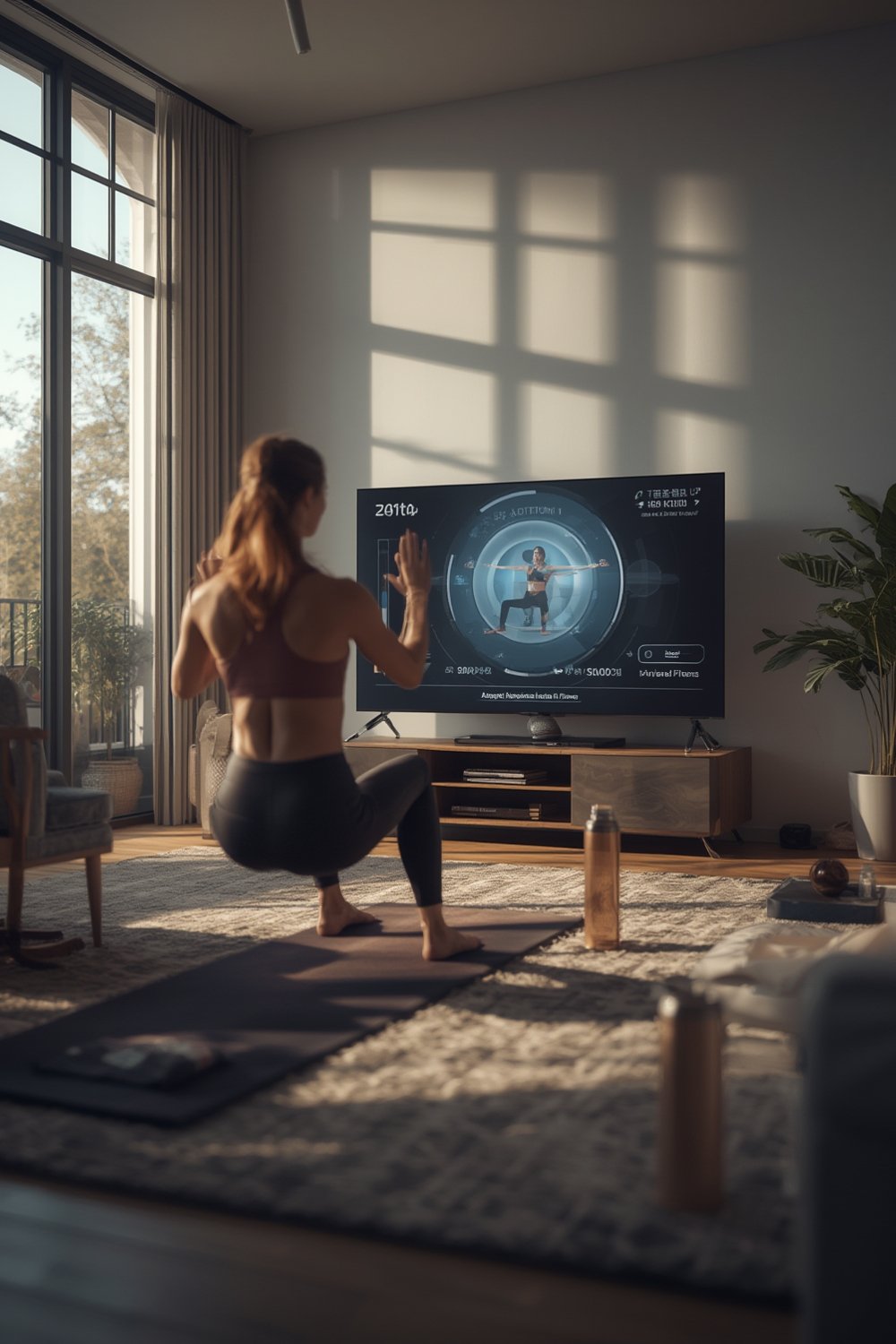
The appeal: training at your own pace, with expert-level programming, without the cost or scheduling hassle of a human coach. Recent data shows the AI personal trainer market reached at least $6.38 billion in 2024 and is projected to hit $18.74 billion by 2032. This trend is driven by better sensors, AI-powered app advancements, and growing consumer demand for tailored, convenient fitness guidance [source].
Unlike static video or template-based apps, AI Personal Trainers constantly adapt to user performance, leveraging sensors, wearable data, and sometimes computer vision. The best platforms can connect with smart treadmills, indoor cycling bikes, and even rowing machines for a totally integrated gym-at-home experience.
Step-by-Step Guide to Setting Up an AI Personal Trainer at Home
Here’s a practical walkthrough for bringing a virtual fitness coach into your life, including must-have devices, setup steps, and how to actually stay committed when the novelty fades.
-
Audit Your Devices and Space
Confirm you have a modern smartphone (ideally from the last 2 years). A stable Wi-Fi or 5G connection, basic tripod or phone stand for camera exercises, and enough floor space for bodyweight movements are minimum requirements. For deeper integration, wearables like smart dumbbells or fitness bands offer more data for real-time AI adjustment. -
Choose Your AI Personal Trainer Platform
Top brands range from tech giants (Apple Fitness+, Peloton, Samsung Health) to dedicated virtual fitness coach apps. Pick a solution that explicitly lists support for your gear. Prefer platforms with a free trial—these allow you to gauge AI sophistication and interface usability before you pay. -
Install, Sync, and Calibrate
Download the app, authorize access to health data (steps, sleep, heart rate), and sync all relevant wearables. Calibrate form-correction features using built-in test routines—these are essential for apps that offer real-time movement feedback. -
Set Up a Routine and Stick to It
Input your goals (weight loss, muscle gain, or flexibility). Let the AI recommend a personalized schedule, then actually block this time in your phone calendar. To boost accountability, enable push notifications and link your account to friends or family—some platforms gamify streaks and reward social engagement. -
Review Metrics, Adjust, and Seek Progress
Regularly review your stats: did the AI alter your workout volume or intensity in response to your feedback? Are you seeing improvements in stats tracked by your connected elliptical or smartwatch or fitness tracker? If not, manually adjust goals—AI is powerful, but not infallible.
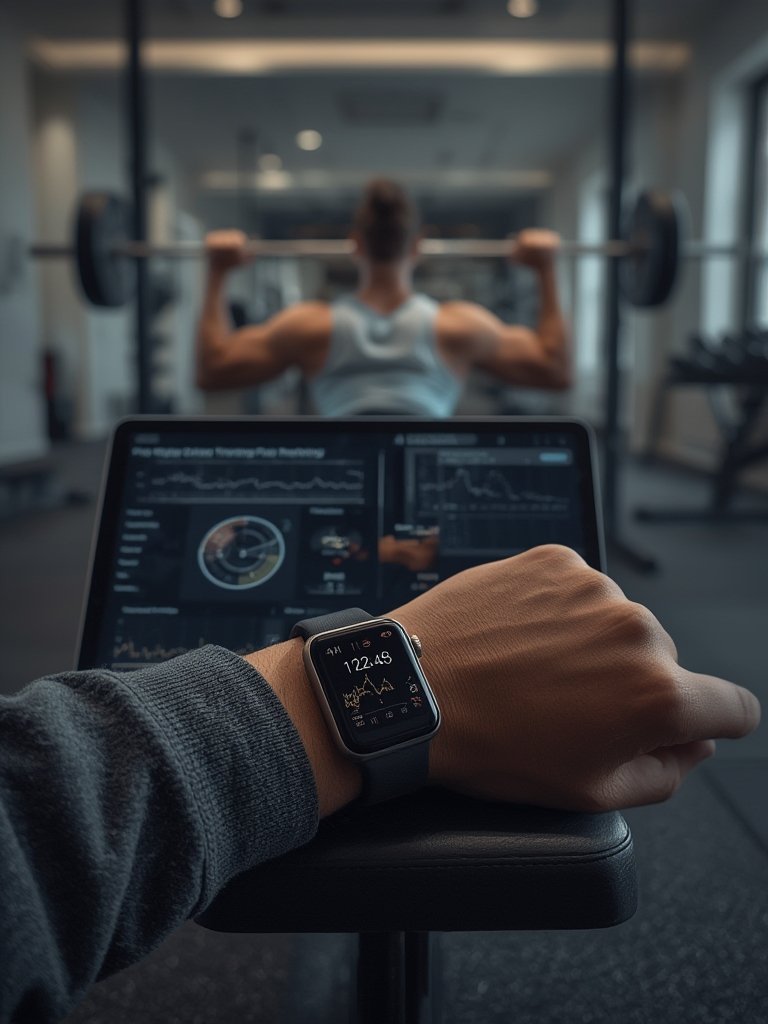
For a truly next-gen setup, explore integrating with interactive yoga mats or smart HIIT equipment. These allow the AI coach to monitor form, reps, and work with built-in sensors for a feedback loop close to what a real trainer provides.
Finally, don’t overlook privacy—read the app’s terms about health data handling, especially if syncing with any AI fitness mirrors or sharing workouts on social media.
Advanced Analysis & Common Pitfalls
AI Personal Trainers are not magic—they deliver solid value for many users, but several real-world problems pop up. Here’s what you need to know:
- No Clinical Guarantees: There are currently no clinical studies confirming that AI trainers outperform traditional trainers for outcomes like muscle gain or injury prevention. Most claims are based on user reviews or internal, unpublished data.
- User Frustration Blind Spot: Few comprehensive studies exist about the most frequent user complaints—but anecdotal reports suggest frustrations with buggy form correction, superficial personalization, and overly generic programming, especially in DIY setups.
- Hardware & Integration Limitations: Not all smart devices “just work” together. Many users find that apps only sync with select wearables or require latest-gen phones and wearables for full features, despite broad marketing claims.
- Data Privacy Uncertainty: While Western Europe is strict on data privacy, no platform is immune to future breaches. Always use strong passwords and review the app’s export/deletion policy for your health data.
| Feature | Ideal Scenario | Common Pitfall |
|---|---|---|
| AI Feedback Accuracy | Real-time, context-sensitive cues improve form and motivation | Laggy or generic feedback, especially with older devices or bad camera angles |
| Device Compatibility | Seamless integration with all wearables and smart equipment | Limited support—some devices not recognized; features missing |
| Privacy & Security | Transparent, secure data handling policies | Unclear terms, third-party sharing, potential vulnerabilities |
| Program Adaptability | Routine adjusts precisely to user progress and feedback | Workout becomes repetitive; change only after drastic performance shifts |
Other common oversights high-ranking articles miss include:
- Lack of minimum hardware spec lists for budget/older device users
- Underreporting of privacy risks and opt-out procedures
- Little discussion on integrating with advanced or niche gear like smart dumbbells or interactive yoga mats

Setting realistic expectations is key—AI-driven recommendations work best as an enhancement, not a replacement, for your own judgment or, in some cases, a real human trainer.
Conclusion
The adoption of AI Personal Trainer technology is climbing fast in 2024, but the smartest users know its strengths—and its limits. Integration with wearables, personalized feedback, and on-demand coaching make these systems powerful tools. Yet, lack of clinical validation, occasional compatibility issues, and privacy questions mean you should start informed and vigilant. Take the time to audit your devices, test multiple platforms, and combine the objectivity of an AI Personal Trainer with your own goals and self-awareness.
Try a leading platform today or enhance your current home gym by adding devices that play well with AI. For specific setups, explore our guides to smart treadmills or smart exercise bikes for the next level of home fitness intelligence.
Frequently Asked Questions
Do AI Personal Trainers work without a smartwatch or fitness tracker?
Yes, some apps only require a smartphone camera and basic sensor input. However, using a smartwatch or fitness tracker provides richer data and more precise workout adjustments.
Can I use an AI Personal Trainer app on an older smartphone?
Basic features may work, but real-time form feedback and integration with smart devices often require newer hardware and updated operating systems.
How secure is my health data with AI fitness apps?
Security varies. Leading platforms claim strong compliance (especially in Europe) but always read the privacy policy. Avoid sharing sensitive data on public or social platforms connected to the app.
Is there evidence that AI can guarantee better fitness results?
No clinical studies currently prove that AI Personal Trainers ensure muscle gain, weight loss, or injury prevention over traditional methods. Treat AI as a useful tool, not a guaranteed shortcut.
What if my device or app stops getting updates?
Check developer support and update schedules before buying. Some companies phase out old devices quickly, limiting access to new AI features and security fixes.