

connected rowing machines are transforming home fitness by integrating app connectivity, live workout tracking, and immersive coaching right into your living room. But are they really worth the investment for everyday users? Let’s break down what makes smart rowing machines unique, where they shine, where they struggle, and how you can make the most of this fast-growing technology.
Key Takeaways
- Connected rowing machines support real-time performance tracking, app integration, and interactive workouts at home.
- Bluetooth and Wi-Fi compatibility are crucial for seamless syncing with devices and accessing virtual classes or leaderboards.
- Common user pitfalls include high upfront costs, device compatibility frustrations, and ongoing subscription fees.
- The Core Concept: What Makes Connected Rowing Machines Different?
- Step-by-Step Guide: Setting Up & Getting Results
- Advanced Analysis & Common Pitfalls
- Conclusion
- Frequently Asked Questions
The Core Concept: What Makes Connected Rowing Machines Different?
Connected rowing machines add an interactive, data-driven edge to traditional home rowing. Unlike classic rowers, these smart devices feature Bluetooth and Wi-Fi connectivity for app syncing, enabling users to join virtual classes, track real-time stats, compete on leaderboards, and receive personalized coaching — often from the comfort of a compact living room.
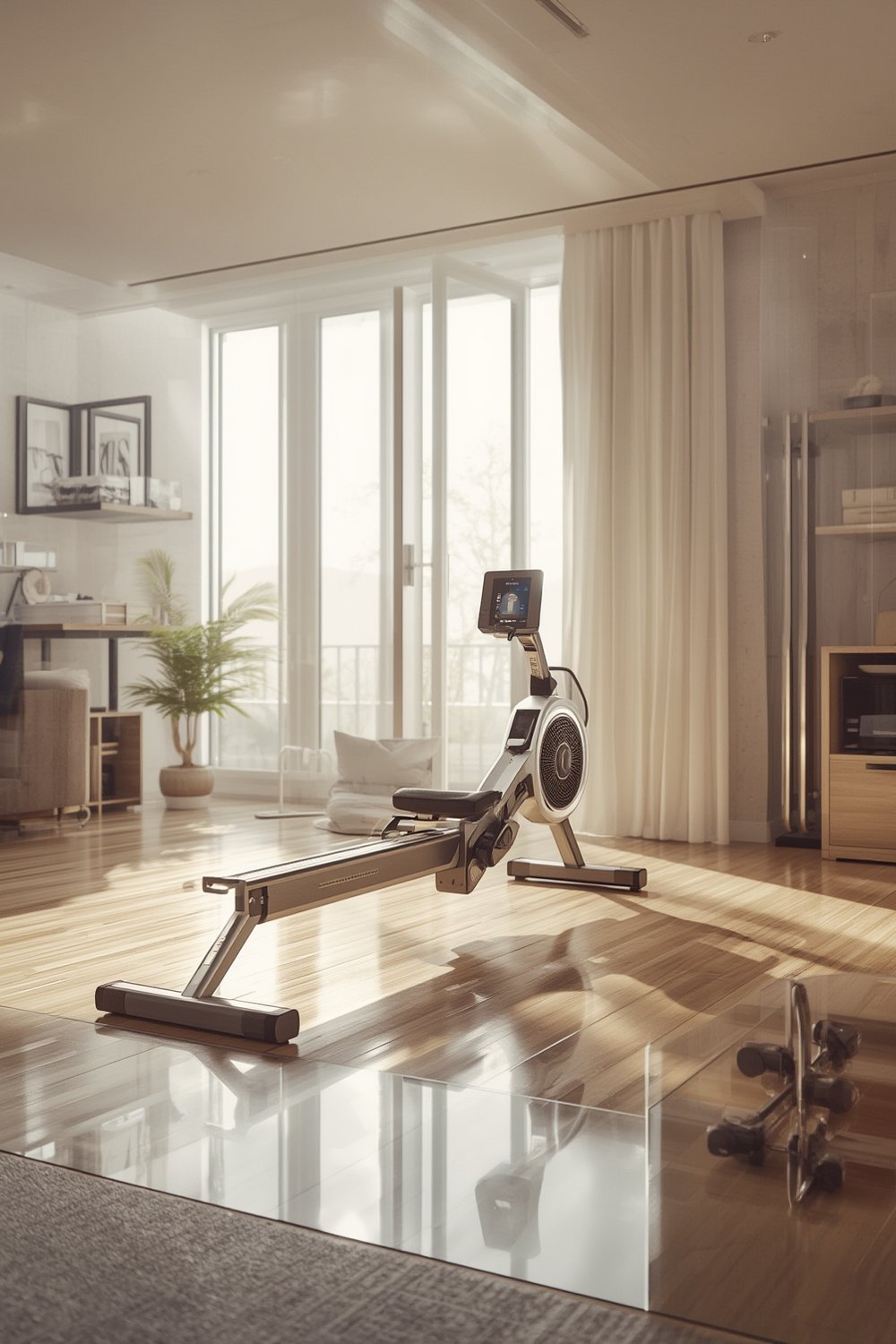
The global market for connected rowing machines surged to as high as USD 1.62 billion in 2024, projected to reach more than USD 3.3 billion by 2033 (source). This growth is shaped by three big trends:
- Rising demand for smart, app-connected fitness equipment among millennials and Gen Z.
- Home workout adoption accelerating post-COVID.
- Built-in tech—like Bluetooth, Wi-Fi, even VR/AI—creating engaging, trackable fitness experiences.
Most connected rowers for home use feature magnetic resistance for quiet workouts, built-in sensors, and integrations with popular fitness apps (like Kinomap, ErgData, or platform-specific apps). Bluetooth makes up about 55% of all shipments for its compatibility with most smartphones and tablets (source). North America leads the adoption, while Asia Pacific is the fastest-growing region due to affordable, urban-targeted models.
Smart features aren’t just flashy add-ons. They directly enhance motivation, bring variety with on-demand or live classes, and support measurable progress with clear data visualization. This is a leap from traditional “count the strokes” rowing.
Interested in how connected rowing compares to other smart fitness options? See our guide to the Best Smart Treadmills 2026 for Home Workouts or look at AI Personal Trainers transforming at-home results.
Step-by-Step Guide: Setting Up & Getting Results
Ready to add a connected rowing machine to your home gym? Here’s how to choose, set up, and get the best results from your smart rower.
-
Research Machine Features:
- Look for Bluetooth or Wi-Fi support for seamless app or device integration.
- Prioritize magnetic resistance if you want quiet home workouts.
- Check compatibility with your target mobile apps (trainer-led sessions, leaderboards, AI/VR features if available).
-
Compare Direct-to-Consumer Offers:
- Online sales make up 62% of the market, often featuring exclusive discounts on hardware, bundles, or subscription trials (source).
- Look for options with extended warranties or solid customer support—these are especially valuable if you’re concerned about ongoing maintenance or integration glitches.
-
Set Up at Home:
- Choose a location with strong Wi-Fi if you want to stream live classes, races, or firmware updates.
- Download the necessary mobile apps and follow the manufacturer’s pairing or onboarding steps. This usually involves holding a Bluetooth button, scanning a QR code, or connecting over your home Wi-Fi network.
- Sync any smart wearables you want to use—like fitness trackers or heart rate monitors.
-
Build Your Routine:
- Start with guided lessons or beginner programs instead of jumping straight into competitive races or advanced interval sessions.
- Use real-time feedback features (pace, split times, output percentages) to pace yourself and avoid overtraining early on.
- Explore AI-driven or VR-enhanced sessions if available—these can tailor resistance, suggest technique improvements, or immerse you in virtual waterways for added motivation.
- Set measurable goals using the app’s built-in tracking—aim for regular improvements in either total meters, average split, or calories per session.

Want a fully interactive cardio solution beyond rowing? Check out the latest smart exercise bikes or explore options like smart dumbbells and VR fitness workouts for extra variety.
If you ever get stuck integrating your rowing machine, reach out to both the rower’s tech support and the app developer. Sometimes, updates on either side resolve common pairing or data sync issues.
Advanced Analysis & Common Pitfalls
The rapid rise—and complexity—of connected rowing machines brings both big benefits and some frustrations. Let’s highlight potential downsides and compare options you might be considering.
- Upfront & Ongoing Costs: Connected rowers are more expensive than basic models. Expect higher initial pricing plus possible monthly subscriptions for live classes or app features. Many users underestimate the long-term cost—read the fine print before committing.
- Device Compatibility: Not all rowers support every app or wearable. Bluetooth is most common, but advanced features like live leaderboards or VR need Wi-Fi. Double-check both your device specs and the platform’s supported integrations.
- Maintenance & Privacy: More technology means more updates, firmware issues, and potential troubleshooting. Many users report frustration with occasional dropped connections, software bugs, or privacy settings on data-hungry apps (source).
- Interoperability & Security: If you use multiple smart fitness devices or platforms, syncing everything smoothly can be a challenge. Security updates and app/data privacy are still evolving topics.
| Feature/Aspect | Connected Rowing Machines | Traditional Rowers |
|---|---|---|
| App Connectivity | Bluetoooth/Wi-Fi (app/app integrations, leaderboards) | None to limited (manual tracking) |
| Workout Variety | Virtual classes, AI programs, VR/AR options | Manual programs only |
| User Engagement | Live feedback, virtual races, social challenges | Self-guided, can be less motivating |
| Noise Level | Usually magnetic—quiet operation for home | Often air—louder |
| Required Maintenance | Firmware/app updates, sensors may need calibration | Simpler upkeep |
| Cost | High (purchase plus optional subscriptions) | Low to moderate |
Emerging innovations, like AI-personalized workouts or full VR immersion, aren’t as universally available as the marketing suggests. Some models promise these features but deliver limited value without a robust ecosystem or reliable internet. Before making a large investment, consider which features you’ll truly use week after week.
If you’re comparing other high-tech home fitness equipment, you might also explore our detailed review of smart exercise bikes and HIIT training gear.
Conclusion
Connected rowing machines bring dynamic, interactive, and measurable full-body workouts to the home—combining real-time feedback with app integration and evolving technologies like AI and VR. However, users should weigh startup costs, subscription expenses, and tech compatibility requirements carefully. For those dedicated to maximizing their home gym, a connected rowing machine can provide long-term variety and motivation—provided you pick one with the right connectivity for your household tech.
Ready to take your home workouts up a notch? Explore connected rowing machines and experience a smarter, more engaging fitness journey today.
Frequently Asked Questions
Do I need Wi-Fi for all connected rowing machine features?
Bluetoooth covers basic syncing with most fitness apps, but advanced features—like live leaderboards, firmware updates, or streaming classes—require a solid home Wi-Fi connection.
Are smart rowing machines suitable for small apartments?
Many connected rowing machines use magnetic resistance for quiet operation and have foldable designs for storage. Always check dimensions and noise specs before buying.
Can I use my own heart rate monitor or fitness wearable?
Most modern rowers support Bluetooth or ANT+ connectivity, letting you sync heart rate monitors or wearables that use open standards.
Will I need to pay for an app subscription?
Accessing all features (including live classes or advanced analytics) typically requires a monthly or annual subscription. Some brands offer free basic tracking, but advanced programs often add an extra fee.
Is there a truly low-maintenance connected rower?
Magnetic smart rowers are quieter and need less upkeep than air models, but any connected device may require occasional firmware updates or sensor recalibration.