

Connected Rowing Machines are changing the way people work out at home by combining full-body training with virtual classes, app connectivity, and real-time feedback. If you’re seeking a smarter, more engaging approach to home cardio and strength, connected rowers offer an immersive upgrade—if you know how to choose and set them up right.
Key Takeaways
- Connected rowing machines are rapidly growing in popularity, with the global market valued up to $1.62 billion in 2024.
- Key benefits include app-driven workouts, performance tracking, and higher engagement through virtual classes and gamification.
- Buyers should be aware of potential app ecosystem lock-in, ongoing subscription costs, and the need for reliable connectivity.
- What Are Connected Rowing Machines? (The Core Concept)
- How to Set Up and Get the Most from a Smart Rowing Machine
- Advanced Analysis and Common Pitfalls
- Conclusion
- Frequently Asked Questions
What Are Connected Rowing Machines? (The Core Concept)
Connected rowing machines, also called smart rowing machines, are fitness devices that use Bluetooth, Wi-Fi, onboard screens, and apps to deliver interactive home rowing workouts. Unlike traditional rowers, these machines stream live and on-demand classes, track performance metrics, and often feature virtual landscapes or gamified challenges to keep users motivated.
Home fitness trends show the demand for technology-driven training is soaring. In 2024, the connected rowing machine market was valued at up to USD 1.62 billion, with a growth rate projected at 4.5–5.5% annually through 2033. A striking 42% of mid-range rowers now have Bluetooth for app integration, performance tracking, and virtual coaching, reflecting widespread adoption among home fitness enthusiasts. The draw? Convenience, variety, and deeper engagement.
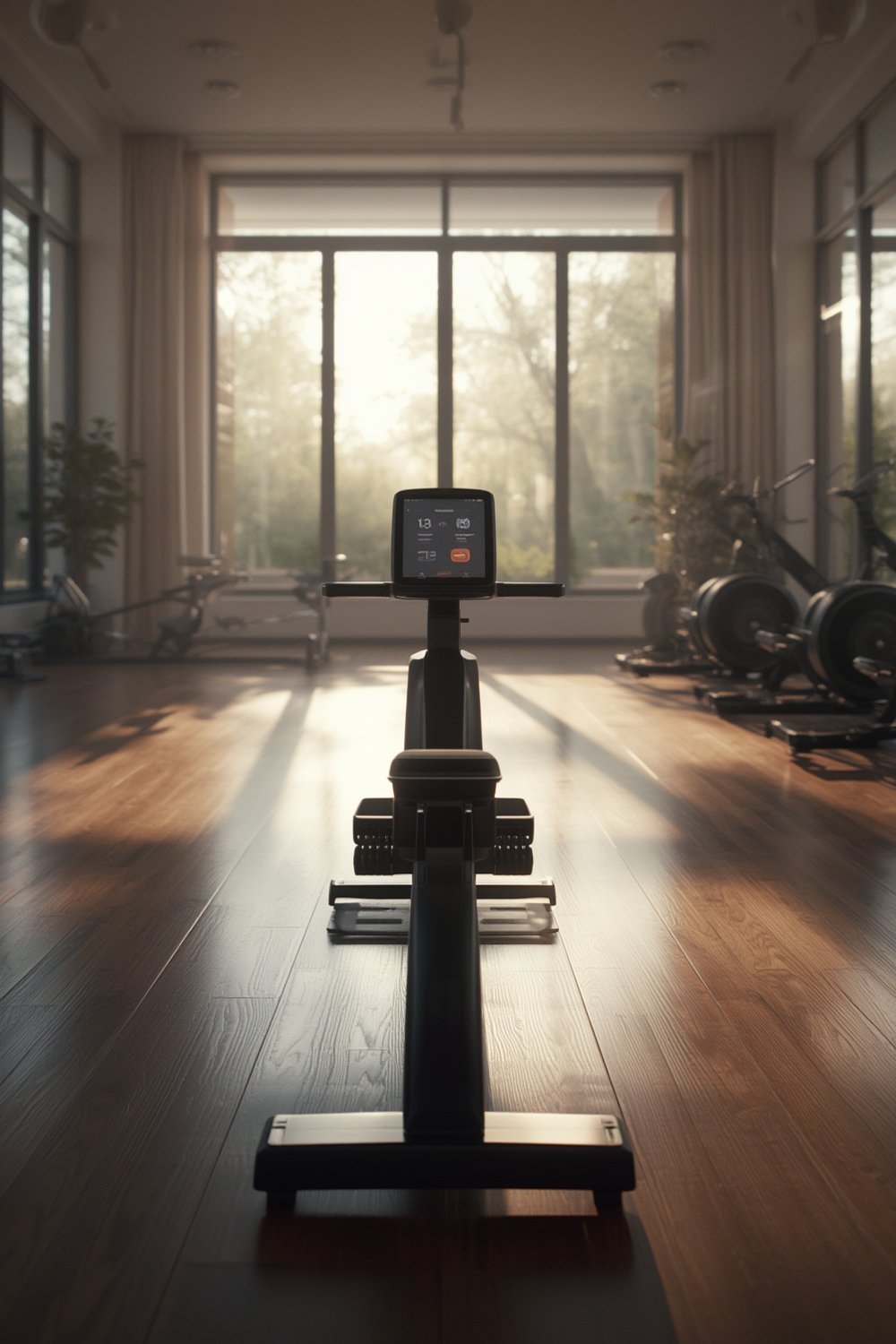
Strong contenders like Hydrow, Aviron, Peloton Row, and Echelon Smart Rower each offer their own ecosystems with streaming content, data analytics, and community features. As with other connected gear—like smart treadmills and smart exercise bikes—these rowers are part of a new wave powering the connected home gym.
How to Set Up and Get the Most from a Smart Rowing Machine
- Unpack and Place Your Smart Rower: Choose a spot with enough clearance for the rower’s full length and unhindered arm movement. Minimize Wi-Fi dead zones to optimize connectivity.
- Install the Official App: Download the compatible app (Hydrow, Peloton, Aviron, Echelon, or CITYROW). Follow the pairing instructions to connect via Bluetooth or Wi-Fi.
- Create a User Profile: Enter accurate height, weight, and age data. Personalization boosts coaching accuracy and progress tracking.
- Explore Demo Workouts and Tutorials: Most smart rowers feature on-device walk-throughs. Try sample classes and interface tutorials before diving into subscription content.
- Select a Training Plan: Choose beginner, intermediate, or advanced plans based on your goals. Some platforms offer AI-personalized options—see also virtual fitness coach solutions.
- Optimize Ergonomics: Adjust foot straps and seat position for your leg length and back support. Proper form reduces injury risk and maximizes muscle engagement.
- Set Up Real-Time Metrics: Enable real-time feedback for stroke rate, split time, heart rate (if available), and calories. Review these after every session.
- Join Live Classes or Challenges: Tap into community engagement and leaderboard features. Many smart rowers offer “race modes” for added motivation.
- Review Progress Weekly: Most apps provide progress charts. Adjust training intensity or rest days based on analytics.
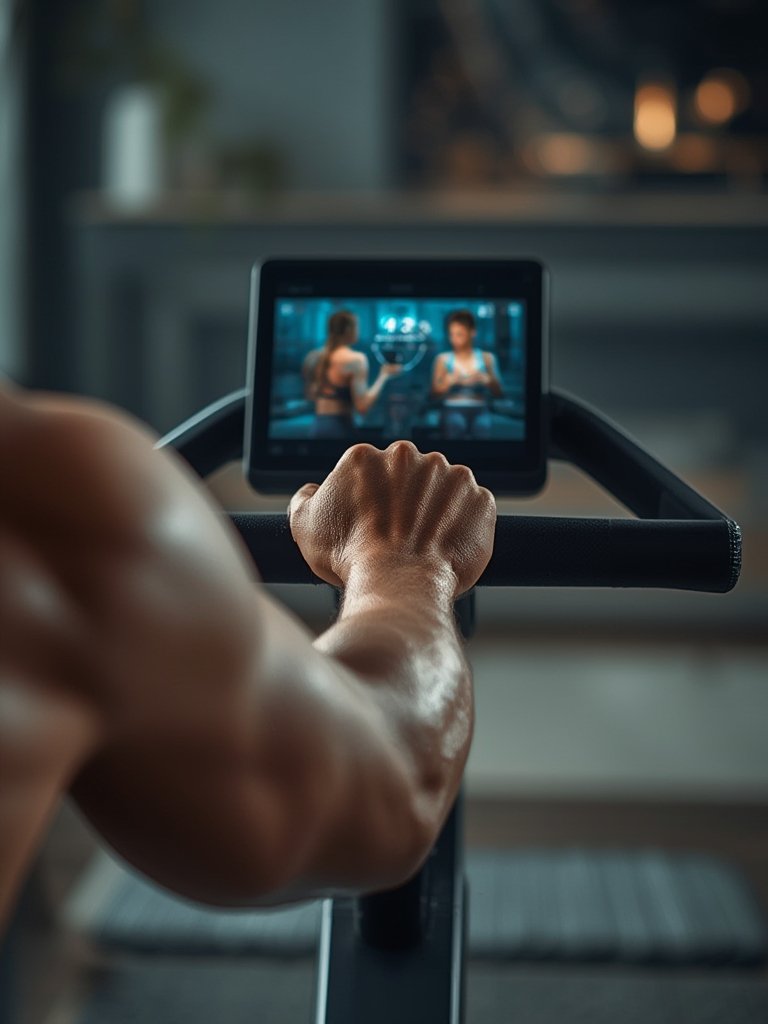
For even more ideas on connected fitness tech, check out how adjustable smart dumbbells and AI-powered home trainers can round out your setup.
Advanced Analysis and Common Pitfalls
Connected rowing machines remove much of the drudgery from solo cardio, but they also present some real-world headaches. Let’s look at issues, hidden costs, and differences between top models:
| Model/Brand | Resistance Type | Connectivity | Screen/App Ecosystem | Notable Pros | Potential Pitfalls |
|---|---|---|---|---|---|
| Hydrow | Not specified (usually magnetic) | Bluetooth, Wi-Fi | Large built-in HD screen; proprietary app | Smoothest rowing experience; immersive classes | High initial cost; monthly subscription required |
| Peloton Row | Not specified | Bluetooth, Wi-Fi | Large touchscreen; Peloton app | Strong coaching, community, and data analytics | App ecosystem lock-in; expensive replacement parts |
| Aviron | Not specified | Bluetooth | Proprietary interactive platform | Gamified workouts, performance tracking | Less mainstream app means fewer class options |
| Echelon Smart Rower | Not specified | Bluetooth | Echelon Fit app | Affordable for connected features | Requires phone/tablet for full experience |
| CITYROW (WaterRower) | Not specified (many versions are water-based) | Bluetooth/digital integration | Digital content & app | Natural water resistance feel, studio-style classes | Limited cross-device compatibility |
- Technical Hiccups: Reviews sometimes cite unreliable Bluetooth connections or updates that break compatibility. App downtime, while rare, can completely halt guided workouts.
- Subscription Dependency: While hardware lasts years, most smart rowing features are paywalled. Expect $20-40 per month per household for premium content. Some people find value, others cancel quickly.
- Space Constraints: Connected rowers are often heavier and longer than manual models. Before purchasing, check storage requirements and whether the unit folds upright.
- Lock-in: Proprietary apps deliver the best experience but often do not allow importing workouts or connecting to third-party ecosystems. Be sure you’re happy with the brand’s class variety before you buy.
- Maintenance: Most connected rowers are robust, but the complexity of digital components can mean longer downtime and higher repair bills if parts fail outside warranty.
Market research also suggests that connected features drive up engagement and retention: 42% of mid-range rowers now offer Bluetooth and virtual classes drastically increase user motivation—though there is still a lack of long-term comparative studies against traditional home rowers.
Connected rowing machines aren’t the only tech-savvy options for the home gym. Those building a complete smart workout studio may also want to look into VR home workouts or interactive yoga mats for variety and cross-training.
Conclusion
Connected rowing machines bring studio-quality classes, performance tracking, and gamified challenges into your living room—driving better motivation and results for many users. As market data confirms, adoption is accelerating fast, but potential buyers should weigh up ongoing subscription fees, space needs, and app compatibility before committing.
If you’re ready for a smarter home cardio solution, explore the latest Connected Rowing Machines from reputable brands and start maximizing your interactive workouts. Compare features, try a trial month, and see if the digital experience keeps you coming back.
Explore more innovative fitness tech on our guides to smart treadmills, smart dumbbells, and exercise bikes—or upgrade your routine with virtual fitness solutions.
Frequently Asked Questions
Are connected rowing machines worth it for home use?
If you value interactive classes, real-time feedback, and advanced tracking, yes—especially if you need external motivation to stay consistent. For pure function without tech, a classic rower may suffice.
What ongoing costs should I expect with a smart rowing machine?
Most platforms charge a monthly subscription ($20–$40/month) for access to live/on-demand classes and full app features. Maintenance costs are usually low, unless a digital part fails outside warranty.
Can I use a connected rower without a subscription?
Usually yes, but functionality is limited—most machines offer basic manual rowing modes but restrict premium content, performance tracking, and community features to paying members.
Is setup difficult for beginners?
Most smart rowers include video tutorials and step-by-step onboarding via the app. Basic assembly can take 1–2 hours but requires little technical skill. Following ergonomic guidelines is important for comfort and safety.
How do connected rowing machines compare to other home cardio equipment?
Rowers offer a full-body, low-impact workout that combines cardio and strength. Connected versions excel in engagement and variety when compared to standard treadmills or bikes—if you buy into the ecosystem.