

Smart Exercise Bikes are transforming how people achieve fitness at home, offering interactive workouts, real-time tracking, and virtual coaching you can’t get from ordinary bikes. Whether you want to level up your indoor cycling or find a smarter cardio option, understanding how these bikes work helps you make the most of your investment.
Key Takeaways
- The smart exercise bike market is growing fast, dominated by connected features and immersive experiences for home fitness.
- Bluetooth, Wi-Fi, interactive classes, and AI-powered coaching are top features that set smart bikes apart from standard cycling machines.
- Buyers should consider privacy, third-party app compatibility, and long-term costs before choosing a smart bike for home use.
- The Core Concept: What Sets Smart Exercise Bikes Apart?
- Step-by-Step Guide: How to Get the Most from Your Smart Exercise Bike
- Advanced Analysis & Common Pitfalls
- Conclusion
- FAQ
The Core Concept: What Sets Smart Exercise Bikes Apart?
Smart exercise bikes are not just about pedaling—they connect you to live and on-demand classes, offer real-time stats, and can personalize every ride. In 2024, the global market for smart exercise bikes reached $1.8 billion and is forecasted to triple by 2033 [Source]. North America leads with nearly 40% of the market, thanks to strong home fitness demand, while Asia Pacific is growing fastest, fueled by tech adoption and rising incomes [Source].

Modern smart bikes differ from traditional models in several ways:
- Real-Time Connectivity: Most use Bluetooth and Wi-Fi for syncing with fitness apps, streaming virtual rides, and competition with friends.
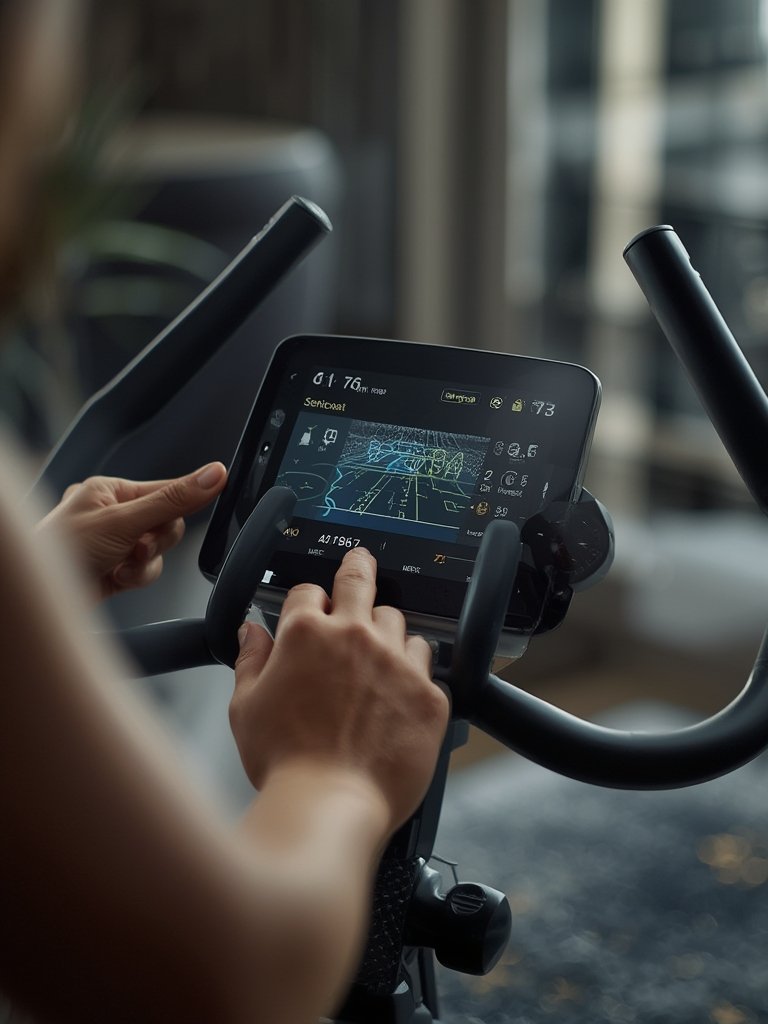
- Interactive Displays: Many include large touchscreens for immersive classes, performance dashboards, and entertainment.
- Adaptive Resistance: AI-powered systems adjust resistance based on your training plan, heart rate, or virtual terrain.
- Social Integration: Join live leaderboards, virtual group rides, or compete globally for extra motivation.
- Tracking and Analytics: Get instant feedback on speed, cadence, power, heart rate monitors, and calories—some bikes even offer personalized coaching.
Well-known brands, like Peloton and Zwift, are leaders in social engagement, interactive classes, and overall workout experience [Source].
These features have made smart bikes more than a cardio tool—they’re now fitness hubs that cater to different training styles, fitness goals, and even entertainment preferences.
Want a broader look at smart home cardio gear? Check out our insights on Best smart treadmill 2026 for the latest in connected treadmills.
Step-by-Step Guide: How to Get the Most from Your Smart Exercise Bike
A smart bike can revolutionize your indoor cycling, but only if you set it up for success. Follow these steps for maximum impact:
- Choose the Right Bike Model for You
Consider whether you want an upright, spin, recumbent, or folding design.
Smart indoor cycling spin bikes offer compact footprints and intense workouts, while recumbents focus on comfort and joint support. - Set Up Connectivity
Most smart bikes support Bluetooth out of the box; higher-end models add Wi-Fi or ANT+ for advanced metrics and app options. Connect your bike to fitness platforms like Peloton, Zwift, or your favorite third-party app. Not all bikes play nice with all apps, so check compatibility before buying. - Install and Sync Apps
Download the brand’s app for bike setup, firmware updates, and class selection. Consider supplementing with a Virtual fitness coach app for extra guidance or integration. Connect your device with your bike, grant permissions, and adjust your profile for accurate stats. - Customize Resistance & Training Plans
Take advantage of adaptive resistance—many bikes can automatically adjust resistance to match virtual terrains, classes, or heart rate targets. Experiment with preset classes or create a plan based on your goals. - Join Virtual Communities
Become part of leaderboards, group rides, or social competitions. Some bikes work best with their built-in communities, while others let you connect to external fitness platforms, forums, or even social media for accountability. - Maintain the Bike for Longevity
Wipe down after rides, check for firmware updates, and inspect mechanical parts monthly. Routine maintenance prevents unexpected issues and ensures sensor accuracy. - Track Progress
Monitor your stats over weeks and months. Use integrated analytics to tweak your routines or try new class formats. Many platforms provide personalized feedback and adaptive plans as you grow.
Looking for an alternative or supplement to smart cycling? Explore Smart rowing machines for a different kind of interactive home cardio.
To bring more variety and technology to your home workouts, don’t forget the value of Adjustable smart dumbbells for strength training or AI workout apps for fully guided routines.
Advanced Analysis & Common Pitfalls
While smart exercise bikes offer convenience and data-driven motivation, real-world use isn’t always seamless. Here are common challenges and how to navigate them:
Privacy and Data Security
Your bike and connected apps collect personal fitness and health data. Some brands may share usage statistics with third parties. Before buying, review privacy policies and data-sharing settings in both the bike’s system and the app.
Compatibility Limitations
Many bikes work well only within their proprietary ecosystems. For example, a Peloton bike is optimized for Peloton classes, but not all third-party apps or accessories are supported. Always check for compatibility with your preferred devices, such as clip-in pedals, smartwatches, or other apps.
Long-Term Maintainability
Touchscreens, sensors, and connectivity modules can wear out or become unsupported as technology advances. Repairs may be expensive, and older models might not receive software or app updates. Factor in expected lifespan and support when comparing models.
Hidden & Ongoing Costs
Most smart bikes require paid monthly subscriptions for access to premium classes or workout data. Costs also include accessories like replacement straps, or matting. Be realistic about your total ownership cost.
| Feature | Typical Options | Potential Pitfall |
|---|---|---|
| Connectivity | Bluetooth, Wi-Fi, ANT+ | Limited app/device compatibility |
| Display | LCD, Touchscreen | Breaks easily, may lack app support after updates |
| Resistance Mechanism | Magnetic, Electromagnetic | More moving parts, higher repair cost |
| Subscription | $20–$50/month typical | Locked in for full features; cost adds up over time |
| App Ecosystem | Proprietary & third-party (varies) | Data privacy concerns, poor integration |
For a look at connected home cardio with a fun twist, see how immersive workouts on VR home workouts make exercise engaging.

Conclusion
Smart exercise bikes are among the best investments for home fitness, offering adaptive training, community, and on-demand analytics. However, buyers should weigh privacy, ongoing subscription costs, and long-term compatibility. Take time to explore the full range of features and don’t forget to check in with your training needs over time.
Ready to revolutionize your workouts? Find a Smart Exercise Bike that matches your goals today and enjoy the next evolution of home cycling.
FAQ
What is a smart exercise bike?
A smart exercise bike combines traditional cycling with digital features like app connectivity, live and on-demand classes, automatic resistance control, and performance tracking on integrated screens.
Are subscriptions required to use all the features?
Most smart bikes offer basic functionality without a subscription, but premium features like interactive classes, coaching, and advanced tracking usually require a monthly or annual fee.
Can I use third-party fitness apps with my smart exercise bike?
This depends on the brand. Some bikes allow integration with third-party apps like Zwift or Strava, but others restrict use to their proprietary ecosystem only. Check compatibility before buying.
What are the main downsides of smart exercise bikes?
Potential downsides include data privacy risks, limited compatibility with other devices or apps, ongoing subscription fees, and the possibility of costly repairs if connected components fail.
How do smart bikes compare to connected treadmills or rowers?
Smart bikes excel in immersive cycling experiences, but similar technology is now found in connected treadmills and smart rowing machines, each offering unique benefits for different fitness styles.