

Smart Treadmills are changing home fitness by combining adaptive workouts, immersive entertainment, and app connectivity in a compact package. If you’re looking to upgrade your home gym for 2026, see why these connected machines are leading the next fitness wave.
Key Takeaways
- Smart treadmills are growing fast due to home fitness trends and advanced workout technology.
- Features like AI coaching, live classes, and foldable designs set the best smart treadmill models apart in 2026.
- Connectivity, app integration, and high costs are top considerations before making a purchase.
- What Are Smart Treadmills and Why Should You Care?
- How to Choose and Use Smart Treadmills: Step-by-Step Guide
- Advanced Analysis & Common Pitfalls
- Conclusion
- Frequently Asked Questions
What Are Smart Treadmills and Why Should You Care?
Smart treadmills are next-generation running machines designed for home use. They pack advanced digital features—think AI-powered routines, IoT connectivity, fitness tracking, and even virtual scenery or live coaching—directly into the treadmill. In 2026, these treadmills compete to offer the best integration with popular fitness platforms, apps, and wearables, bringing more motivation and data-driven progress to every workout.
What makes them special?
- Adaptive Workouts: AI algorithms personalize intensity, pace, and routines in real time to keep you challenged.
- Connected Experiences: Easily sync your stats with your favorite fitness apps or devices. Family members can use their own profiles.
- Space-Saving Design: Foldable models bring smart fitness to apartments and small spaces.
- Entertainment & Coaching: Access on-demand studio classes, scenic routes, and live instructors from your treadmill’s built-in screen.
Smart treadmills aren’t just a trend—they’re driving major growth in home fitness, with the global market valued at US$ 1,500 million in 2024 and projecting strong adoption through 2026 and beyond.
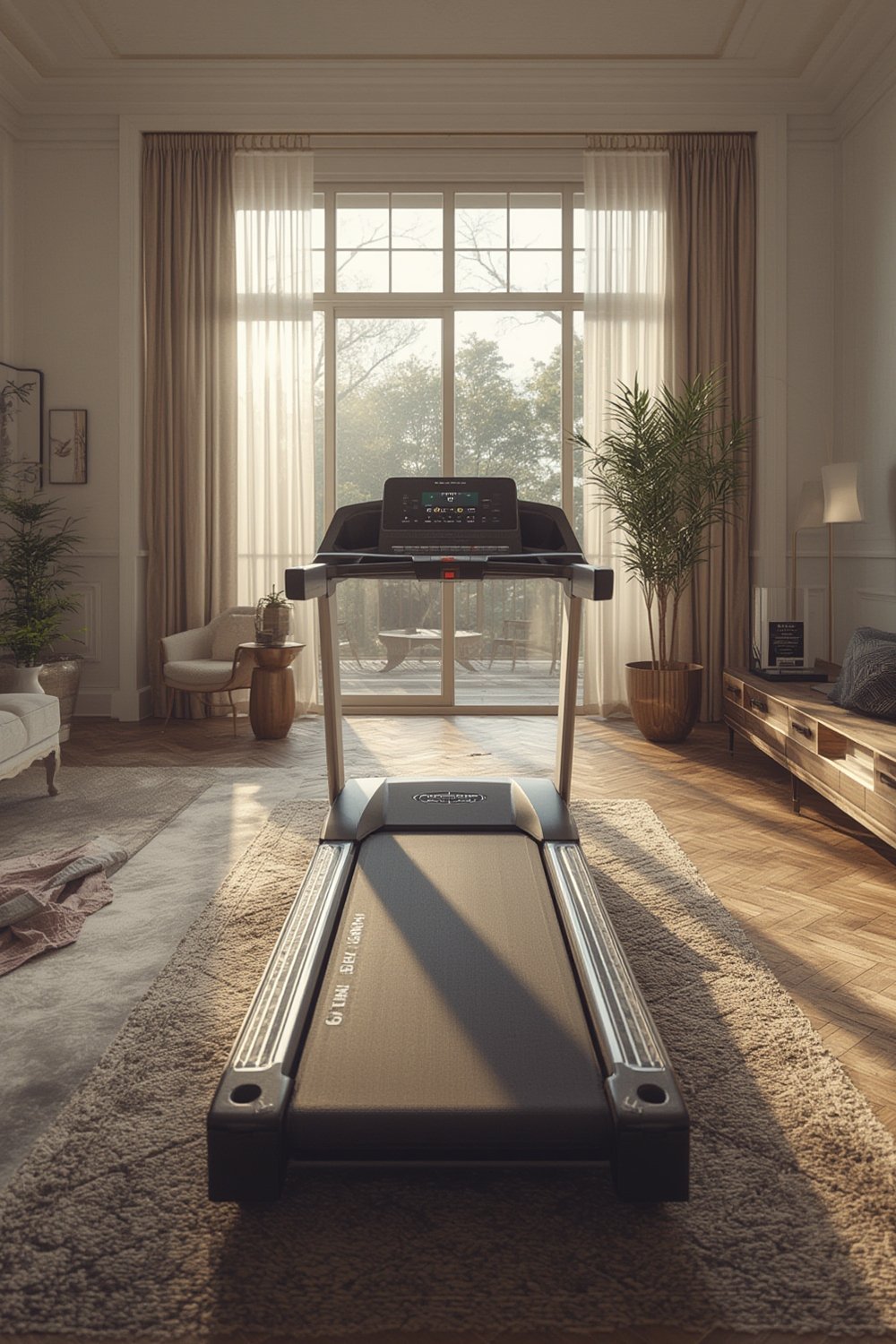
Whether you want to maximize floor space, crave interactive content, or need smarter progress tracking, smart treadmills are poised to replace old workout routines with a fully connected home fitness experience.
Looking for compact strength options too? Explore smart compact home gyms or add a smart dumbbell set for comprehensive training in small spaces.
How to Choose and Use Smart Treadmills: Step-by-Step Guide
Step 1: Identify Your Space and Core Needs
Measure your home gym area, decide if you need a foldable or manual model, and set fitness goals: distance, interval training, calorie burning, or running technique.
Step 2: Prioritize Features That Matter
- Look for AI adaptive routines for personalized workouts.
- Check for app/wearable integration (Apple Health, Fitbit, etc.).
- Evaluate platform ecosystem quality—are live or on-demand classes available?
- Assess footprint and foldability for your space.
- Confirm max supported user weight meets your needs.
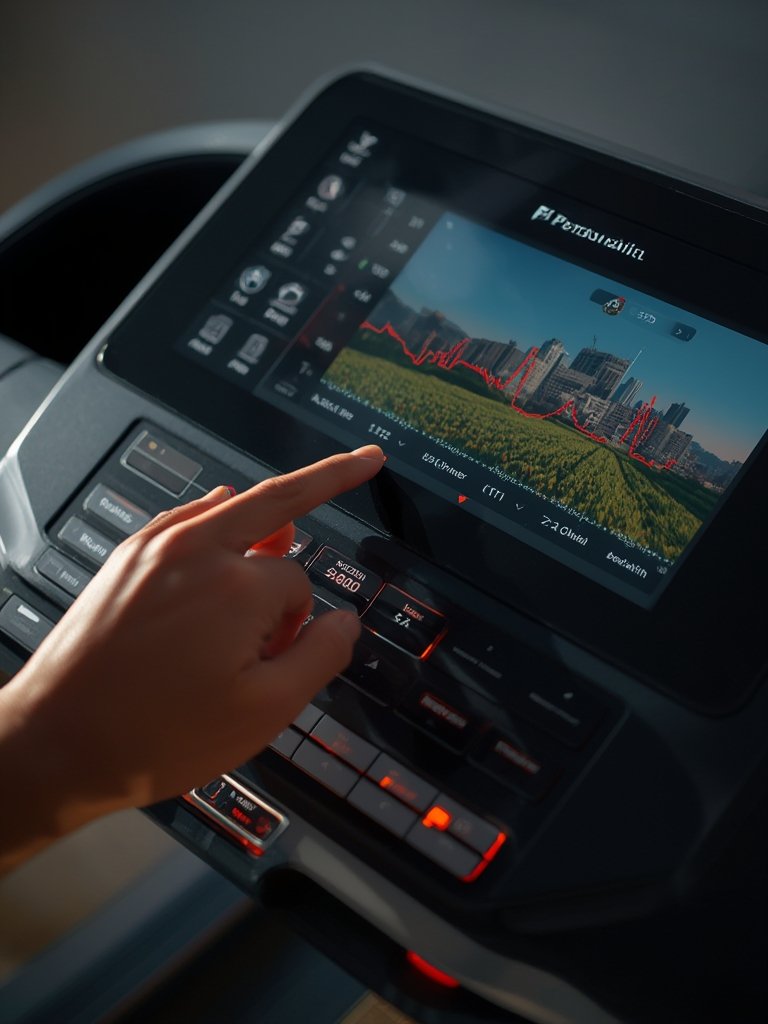
Step 3: Compare Model Options and Read the Fine Print
- Check warranty coverage—connectivity and display malfunctions are not rare in connected fitness equipment.
- List must-have features vs. extras that drive up price.
- Review return policy and support responsiveness.
For a deeper dive into choosing smart connected fitness, see our guide on Smart Exercise Bikes and linked comparison charts.
Step 4: Prepare for Delivery and Installation
- Measure doorways/hallways to ensure delivery access.
- Plan for Wi-Fi coverage—some treadmills need a solid signal for streaming and updates.
- Schedule time for software/app onboarding, account creation, and initial calibration. Don’t skip firmware updates!
Step 5: Maximize Your Connected Fitness Experience
- Set usage reminders in your chosen fitness app.
- Explore new classes or challenges weekly to stay motivated.
- Sync with wearables for holistic progress tracking.
- Don’t just run; use interval, HIIT, or scenic modes for variety.
Want to target strength and cardio together? Pair your treadmill routines with smart HIIT gear or recover after runs with a smart massage gun for your post-workout needs.
Advanced Analysis & Common Pitfalls
Smart Treadmills: Real-World Challenges
While market demand for smart treadmills is high, real user reviews are harder to come by than hype suggests. According to recent industry research, the biggest issues home users face include:
- Upfront Costs: Premium smart treadmills are expensive—expect higher prices than basic models. Many require ongoing content or platform subscriptions to unlock all features.
- Connectivity Issues: Wi-Fi dropouts, buggy app updates, or slow pairing with wearables can interrupt the experience. Physical placement closer to your router helps, but not all treadmills offer robust network hardware.
- Technical Integration: Not all treadmills sync seamlessly with every app or wearable. Check compatibility lists—what works with one phone brand or fitness app may not with another.
- Durability of High-Tech Parts: Extra sensors and touchscreens are more prone to wear and tear or require more tech support than old-fashioned treadmills.
- Lack of Granular Data in Reviews: Many “best of 2026” lists do not provide detailed model-by-model specs on foldability, footprints, or weight capacity, making apples-to-apples comparisons tricky.
Feature Comparison: Smart Treadmills vs. Traditional Treadmills (2026)
| Feature | Smart Treadmill (2026) | Traditional Treadmill |
|---|---|---|
| AI Adaptive Workouts | Yes | No |
| App & Wearable Sync | Seamless (when supported) | None or basic tracking |
| Live & On-Demand Content | Yes, often subscription-based | No |
| Foldable Space Savings | Available on most home models | Only select options |
| Price | High, with ongoing costs | Low to moderate, minimal extras |
Interested in cutting-edge cardio alternatives? See how VR home workouts and smart rowing machines stack up for immersive home exercise.

Missing Details in Most “Best Of” Lists
- Few sources specify average price ranges for 2026 models, especially for foldable versus non-foldable options.
- Real user-reported durability or app-bug issues are rarely aggregated in detail.
- Length, width, and weight capacity specs for foldable home treadmills are underreported, making it hard to compare for small spaces.
For deeper expertise on model selection, follow our latest guide on the best smart treadmills for 2026 with updated reviews and feature comparisons.
Conclusion
Smart treadmills are rapidly transforming home workouts. With features like adaptive coaching, connectivity, foldable designs, and immersive content, they’re pushing the boundaries of what a home gym can offer. Still, you need to consider cost, app compatibility, and your real living space before investing. Use the insights and actionable points above to confidently choose the Smart Treadmills that suit your goals. Ready to build your best home workout routine? Start your smart treadmill journey now.
Frequently Asked Questions
What is the difference between a smart treadmill and a traditional treadmill?
Smart treadmills integrate AI routines, app syncing, live or on-demand classes, and often foldable designs. Traditional treadmills offer basic running functions without connectivity or adaptive content.
Are smart treadmills worth the high cost?
For users who want interactive workouts, adaptive training, and connected data, smart treadmills can be worth the investment. However, ongoing app subscriptions and support costs should be considered.
Can I use a smart treadmill without a subscription?
Most smart treadmills offer basic functionality without a subscription, but advanced features—like live classes or trainer-led routines—often require ongoing monthly fees.
Are foldable smart treadmills sturdy enough for running?
Many foldable models are engineered for stability, but always check maximum user weight and real-world reviews. Not all foldable treadmills support fast running or heavier users equally well.
What should I do if my smart treadmill loses connectivity?
Troubleshoot your Wi-Fi signal, check firmware updates, and retry app syncing. Keep a backup plan for basic manual use when the connection or app integration fails.